

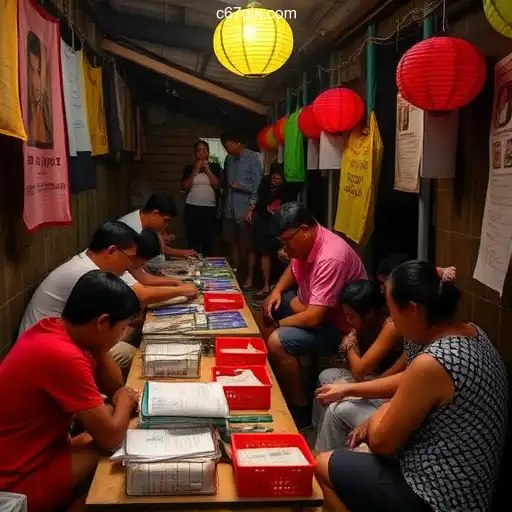
Examining the Enduring Practice of Jueteng
In the maze of gambling activities across the globe, few are as entwined with cultural identity and socio-political dynamics as Jueteng in the Philippines. This centuries-old numbers game has played a significant role in shaping the socio-economic landscape of the country, often finding itself at the center of legal, moral, and governance debates.
The Basics of Jueteng
At its core, Jueteng is a simple lottery game based on randomly drawn numbers. Players select two numbers from 1 to 37, placing bets with the hope of matching the numbers drawn, thus winning a cash prize. The game has evolved over generations, yet its essence remains unchanged—a straightforward gamble with small stakes but significant appeal.
The intrigue of Jueteng lies not merely in its simplicity but in the potent mix of allure and controversy it fosters. Unlike state-sanctioned lotteries, Jueteng operates in the gray shadows of legality. Despite numerous government crackdowns and attempts to eradicate it, the game endures, thriving underground or sometimes openly, depending on the local governance and socio-political environment.
A Cultural Phenomenon
The persistence of Jueteng is deeply rooted in the cultural and socio-economic strata of Philippine society. For many impoverished citizens, it offers a glimmer of hope—a potential for quick yet life-changing financial uplift. With a minimal investment, players have a chance, however slim, of winning a bounty that could meet basic needs or fulfil modest aspirations.
Moreover, Jueteng has embedded itself into the social fabric, often perceived not just as a gambling activity but as an integral community event. For some regions, collectors who gather bets become local celebrities, figures of trust who foster a communal spirit through the game.
Socio-Political Dynamics
The game’s entwining with the socio-political sphere is multifaceted. Jueteng has historically been a lucrative venture for operators and corrupt officials alike, often leading to allegations of bribery and graft. In some cases, revenue generated from Jueteng is believed to grease political machinery, influence electoral outcomes, and fortify political dynasties.
This tangled relationship with politics underscores the difficulty in regulating or dismantling the operation of Jueteng. Political protection shields operators and bet collectors, allowing this underground economy to flourish. Thus, attempts at enforcement have frequently been undermined from within, blurring the lines between legality and corruption.
The Struggle for Regulation
Efforts to combat Jueteng have been sporadic and mostly unsuccessful. Authorities have sometimes initiated mass crackdowns, arresting operators and dismantling betting rings. Nonetheless, these are often short-lived victories, with the game resurfacing rapidly due to its deeply entrenched nature.
Moreover, some argue that outright bans are ineffective, proposing instead that regulation might be a more pragmatic approach. By bringing this underground economy into the official fold, proponents suggest that transparency can be increased, corruption curtailed, and government revenues boosted through taxation.
Competing in the Digital Age
With the rise of online platforms, traditional forms of gambling like Jueteng face new challenges and opportunities. Platforms such as "C67 com login♠️Apostas com Promoção de Jogo do Dia C67.com" have emerged, offering a modernized way for bettors to engage with games of chance. Such digital avenues provide a semblance of legitimacy and convenience, attracting tech-savvy players who seek gambling experiences beyond the conventional.
The integration of online gambling introduces new variables into the landscape. On one hand, it offers regulators the chance to monitor activities more systematically. On the other, it creates a more complex playing field where local games like Jueteng must adapt to changing consumer preferences and technological advancements.
The Reality on the Ground
For many middle and lower-class Filipinos, the debate surrounding Jueteng is less about legality and more about survival. In a nation where economic disparity remains stark, the potential windfall from a small bet can mean access to food, education, or health care. This exigent reality continues to drive participation despite the risks and moralistic reproaches.
Thus, as Jueteng persists, so too does the conversation around its place in Philippine society. Is it merely a harmless tradition or a potentially harmful vice enabling corruption? Does its persistence indicate a failure in governance or a testament to cultural resilience?
Conclusion
The debate around Jueteng echoes larger questions about the role of informal economies in developing nations. While it carries the specter of illegality and feeds corrupt systems, it also addresses real economic needs for many. Navigating its future demands a nuanced approach, balancing regulation, cultural understanding, and socio-economic reform.